Dietary Supplements: Benefits, Types, Uses & Safe Consumption
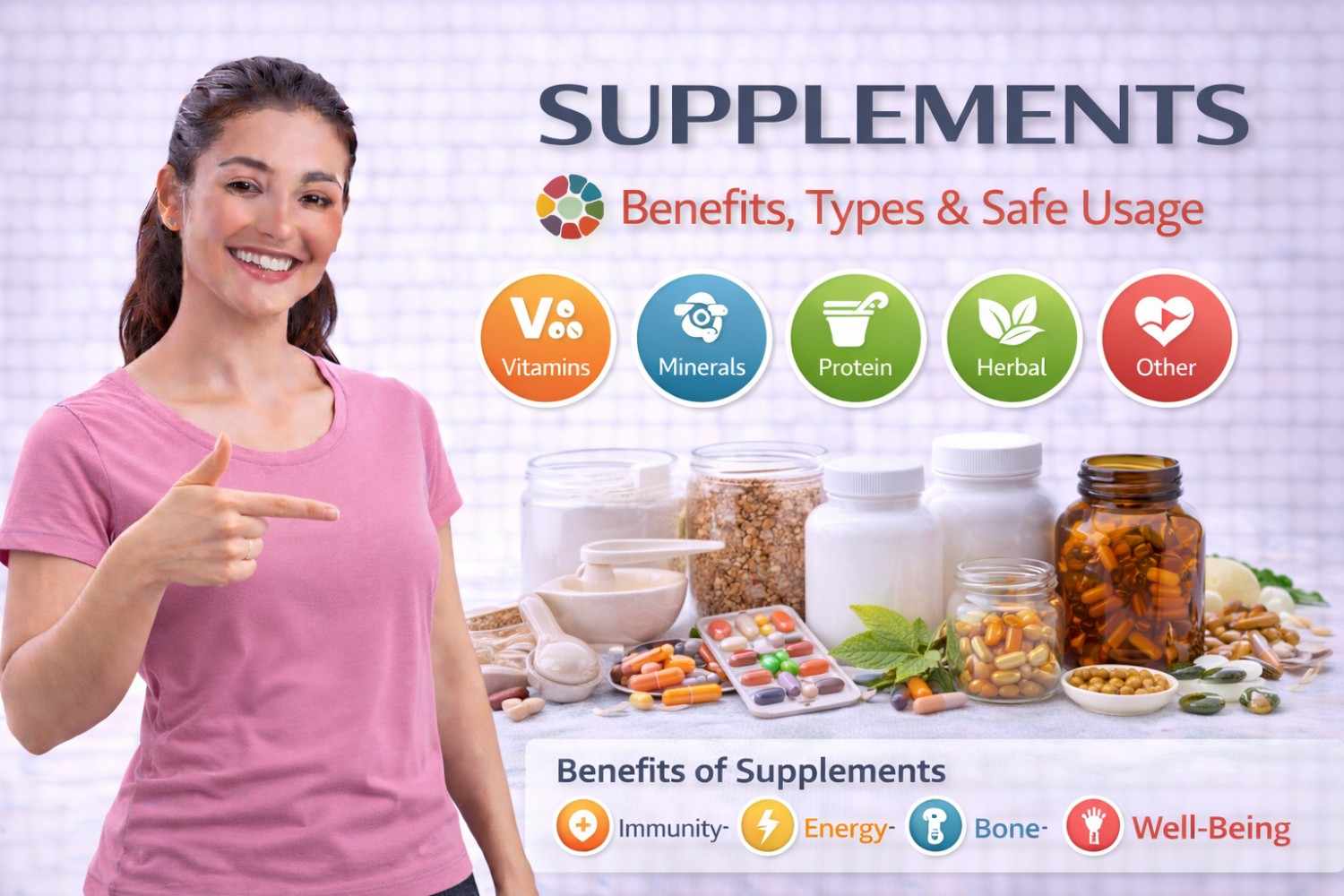
Dietary supplements are products designed to support nutrition and health by providing essential nutrients that may be missing from the regular diet. These include vitamins, minerals, proteins, herbs, amino acids, and other nutrients.
Supplements are helpful when taken correctly and responsibly, but they are not a replacement for a healthy diet.
This complete guide explains what supplements are, types of supplements, benefits, who needs them, risks, safety tips, and how to use them wisely.
What Are Dietary Supplements?
Dietary supplements are products taken orally in forms such as:
- Tablets
- Capsules
- Powders
- Liquids
They are meant to:
- Fill nutritional gaps
- Support specific health needs
- Improve performance or recovery
👉 Supplements supplement the diet — they do not replace real food.
Types of Dietary Supplements
1. Vitamin Supplements
- Vitamin C
- Vitamin D
- Vitamin B-complex
Uses:
- Boost immunity
- Improve energy
- Support skin & nerve health
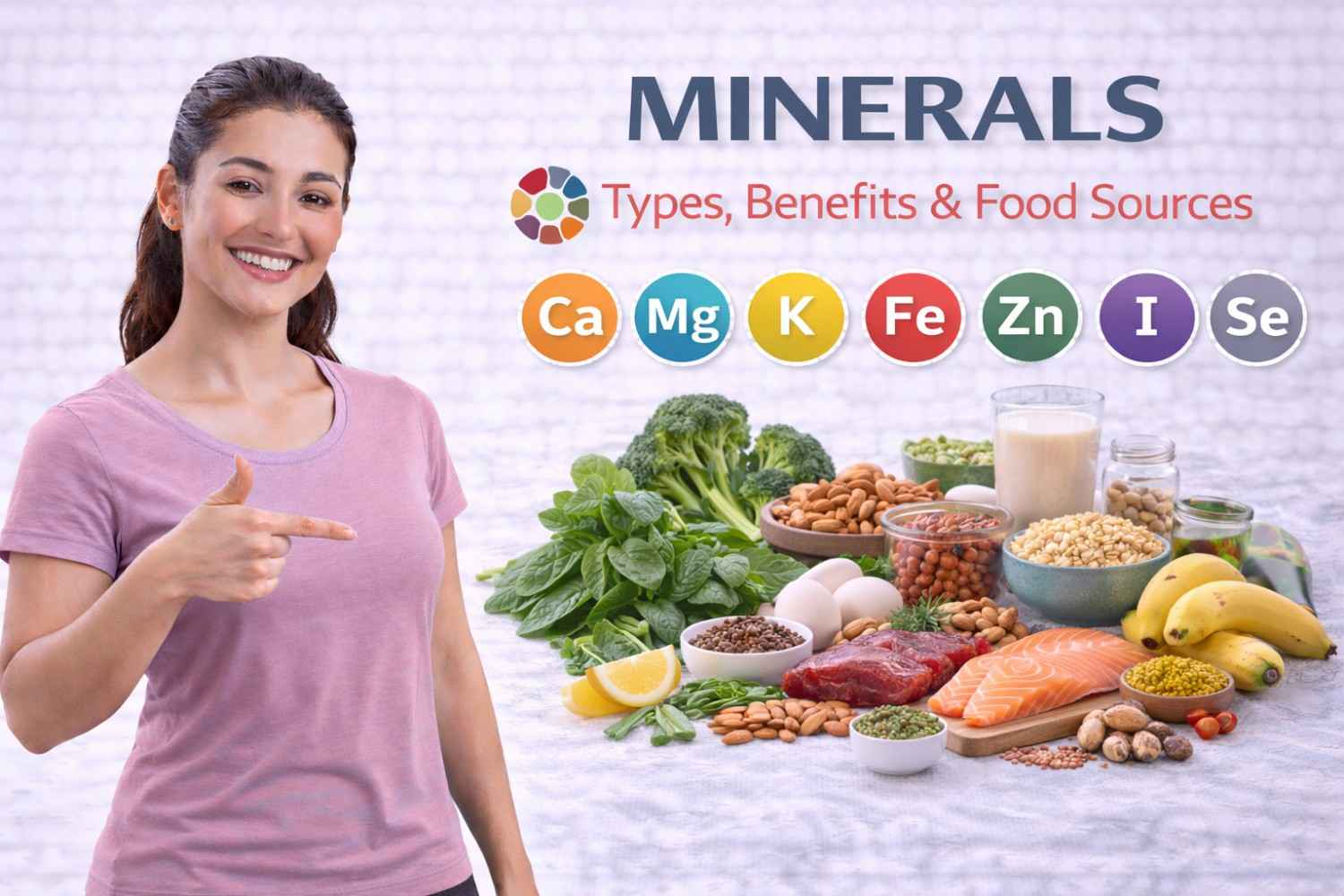
2. Mineral Supplements
- Calcium
- Iron
- Magnesium
- Zinc
Uses:
- Bone strength
- Blood health
- Muscle & nerve function
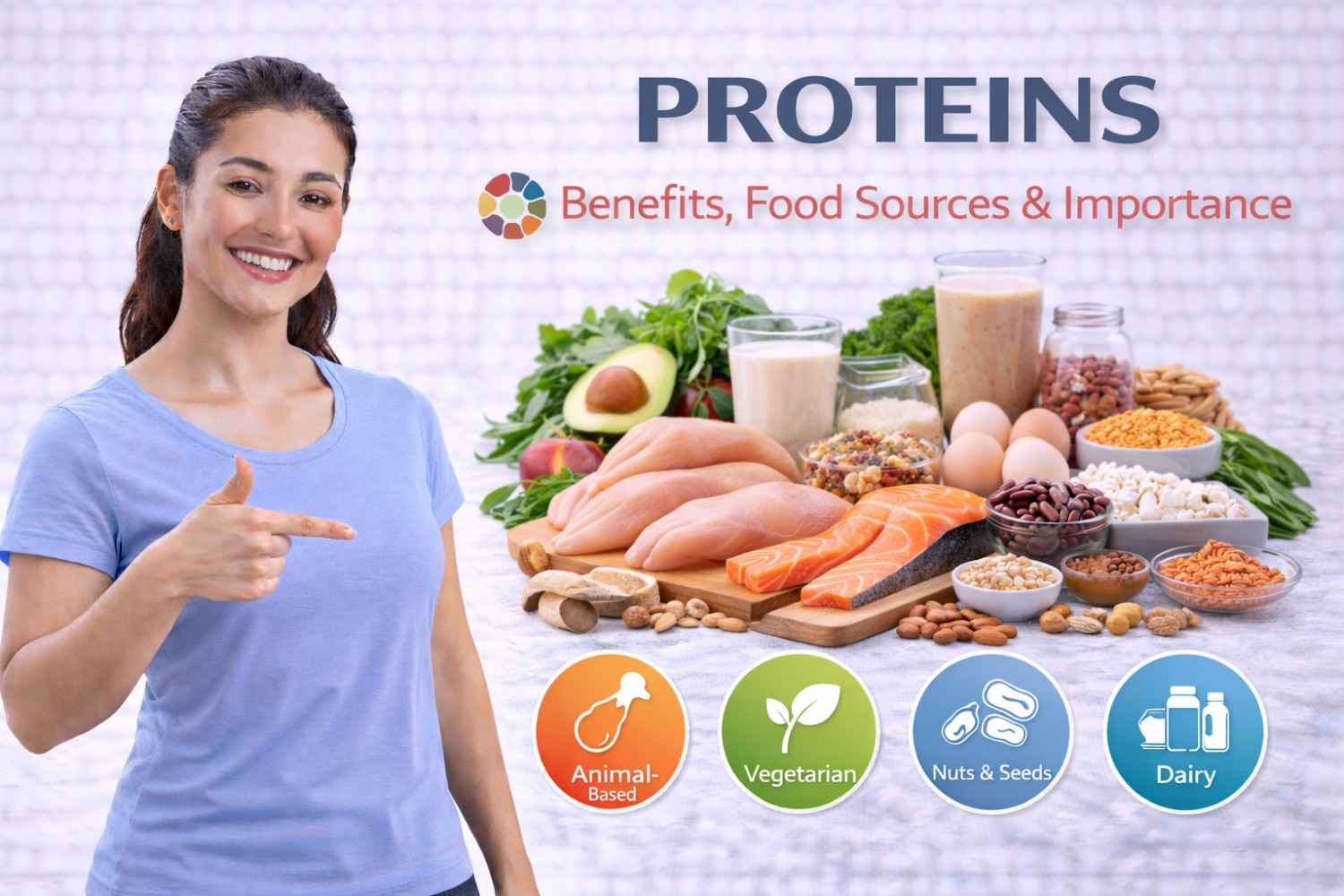
3. Protein Supplements
- Whey protein
- Plant protein
Uses:
- Muscle building
- Recovery after exercise
4. Herbal Supplements
- Ashwagandha
- Turmeric (curcumin)
- Ginseng
Uses:
- Stress management
- Immunity support
5. Other Supplements
- Omega-3 fatty acids
- Probiotics
- Amino acids
Uses:
- Heart & brain health
- Gut health
Benefits of Dietary Supplements
- Correct nutrient deficiencies
- Support immunity
- Improve energy levels
- Support bone & muscle health
- Enhance recovery & performance
- Improve overall well-being
Who May Need Supplements?
Supplements may be helpful for:
- People with diagnosed deficiencies
- Pregnant or breastfeeding women
- Elderly individuals
- Athletes & gym-goers
- People with restricted diets (vegetarian/vegan)
👉 Always consult a healthcare professional before starting supplements.
Risks of Overusing Supplements
Excess or improper use may cause:
- Toxicity (especially vitamins A, D, E, K)
- Digestive issues
- Kidney or liver strain
- Interactions with medicines
🚫 More is not always better.
Food vs Supplements – Which Is Better?
| Natural Food | Supplements |
|---|---|
| Better absorption | Limited absorption |
| Contains fiber & antioxidants | Isolated nutrients |
| Safe & balanced | Risk if misused |
👉 Food should always be the first choice.
Safety Tips for Using Supplements
- Use supplements only if needed
- Follow recommended dosage
- Avoid self-medication
- Choose trusted brands
- Check expiry dates
- Do not mix multiple supplements without guidance
Common Myths About Supplements
❌ Supplements can replace food
❌ More supplements mean better health
❌ Supplements work instantly
✔ Truth: Supplements support health when used correctly.
FAQs About Dietary Supplements
Are supplements necessary for everyone?
No, most people can meet needs through diet.
Can supplements cause side effects?
Yes, if taken incorrectly.
Are herbal supplements safe?
Natural does not always mean safe — dosage matters.
Should supplements be taken daily?
Only if prescribed or required.
Conclusion
Dietary supplements can be useful tools for supporting health, but they should be used wisely, safely, and only when needed.
A balanced diet rich in whole foods remains the best and safest source of nutrition.
Think of supplements as support — not a shortcut — to good health.