Cholesterol: Best Foods, Diet & Natural Ways to Control Cholesterol Levels
Cholesterol is a fat-like substance found in the blood that plays an important role in hormone production, cell formation, and digestion. While the body needs cholesterol in small amounts, high cholesterol levels can be dangerous and significantly increase the risk of heart disease, stroke, and blocked arteries.
Due to modern lifestyle habits such as unhealthy diet, lack of exercise, obesity, smoking, stress, and genetics, high cholesterol has become a very common health issue today — even among young adults.
The good news is that cholesterol levels can be controlled naturally in many cases through the right foods, balanced diet, regular exercise, and healthy lifestyle habits.
This complete guide explains what cholesterol is, types of cholesterol, health problems caused by high cholesterol, best foods, foods to avoid, daily habits, and a 7-day cholesterol-friendly diet plan.
vldl cholesterol, cholesterol kya hota hai, non hdl cholesterol, how to increase hdl cholesterol, cholesterol test, vldl cholesterol means, cholesterol normal level
What Is Cholesterol?
Cholesterol is produced naturally by the liver and is also obtained from certain foods. Since cholesterol does not dissolve in blood, it travels through the bloodstream attached to proteins called lipoproteins.
Cholesterol is essential for:
- Producing hormones
- Building cell membranes
- Making vitamin D
- Digesting fats
However, when cholesterol levels rise beyond normal limits, it starts accumulating in blood vessels.
Types of Cholesterol
Understanding cholesterol types is important for heart health.
1. LDL – Bad Cholesterol
- Low-Density Lipoprotein
- Builds up in artery walls
- Narrows blood vessels
- Increases heart attack and stroke risk
2. HDL – Good Cholesterol
- High-Density Lipoprotein
- Removes excess cholesterol from blood
- Protects heart and arteries
3. Triglycerides
- Type of fat in the blood
- High levels increase heart disease risk
- Often linked with obesity and diabetes
Goal:
✔ Lower LDL and triglycerides
✔ Increase HDL cholesterol
Health Problems Caused by High Cholesterol
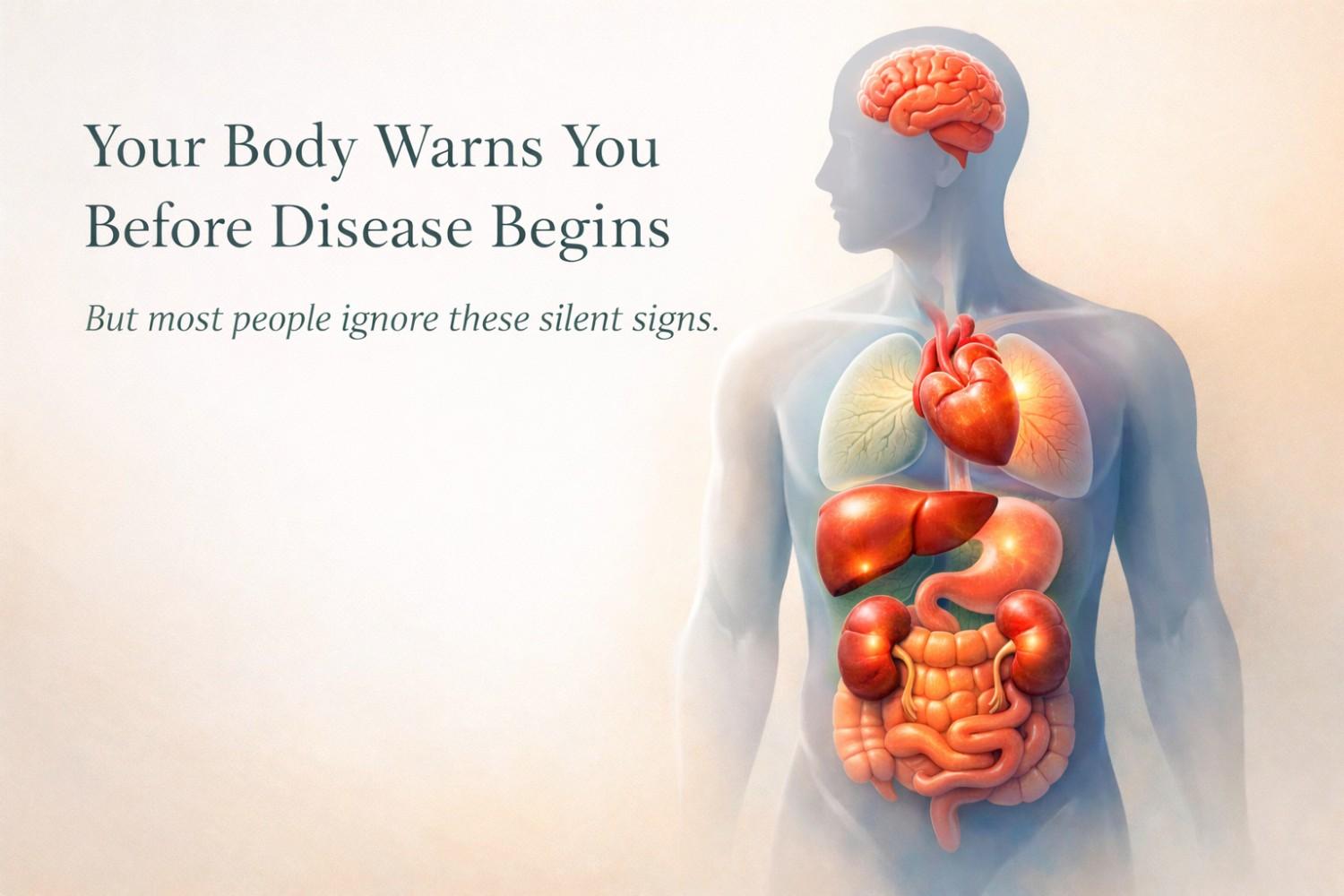
If cholesterol is not controlled, it can silently damage blood vessels and vital organs.
1. Heart Disease & Heart Attack
Problems:
- Blocked or narrowed arteries
- Reduced blood flow to heart
Why It Happens:
LDL cholesterol forms plaque inside arteries.
Helpful Foods:
- Oats
- Nuts and seeds
- Olive oil
2. Stroke
Problems:
- Blood clot in the brain
- Reduced oxygen supply
Why It Happens:
Plaque buildup restricts blood flow to the brain.
Helpful Foods:
- Fruits and vegetables
- Omega-3 rich foods
3. Poor Blood Circulation
Problems:
- Cold hands and feet
- Numbness or tingling
Why It Happens:
Blocked arteries reduce circulation.
Helpful Foods:
- Garlic
- Ginger
- Vitamin C rich foods
4. Obesity & Metabolic Problems
Problems:
- Weight gain
- Insulin resistance
- Risk of diabetes
Why It Happens:
High cholesterol often comes with poor metabolism.
Helpful Foods:
- High-fiber foods
- Protein-rich diet
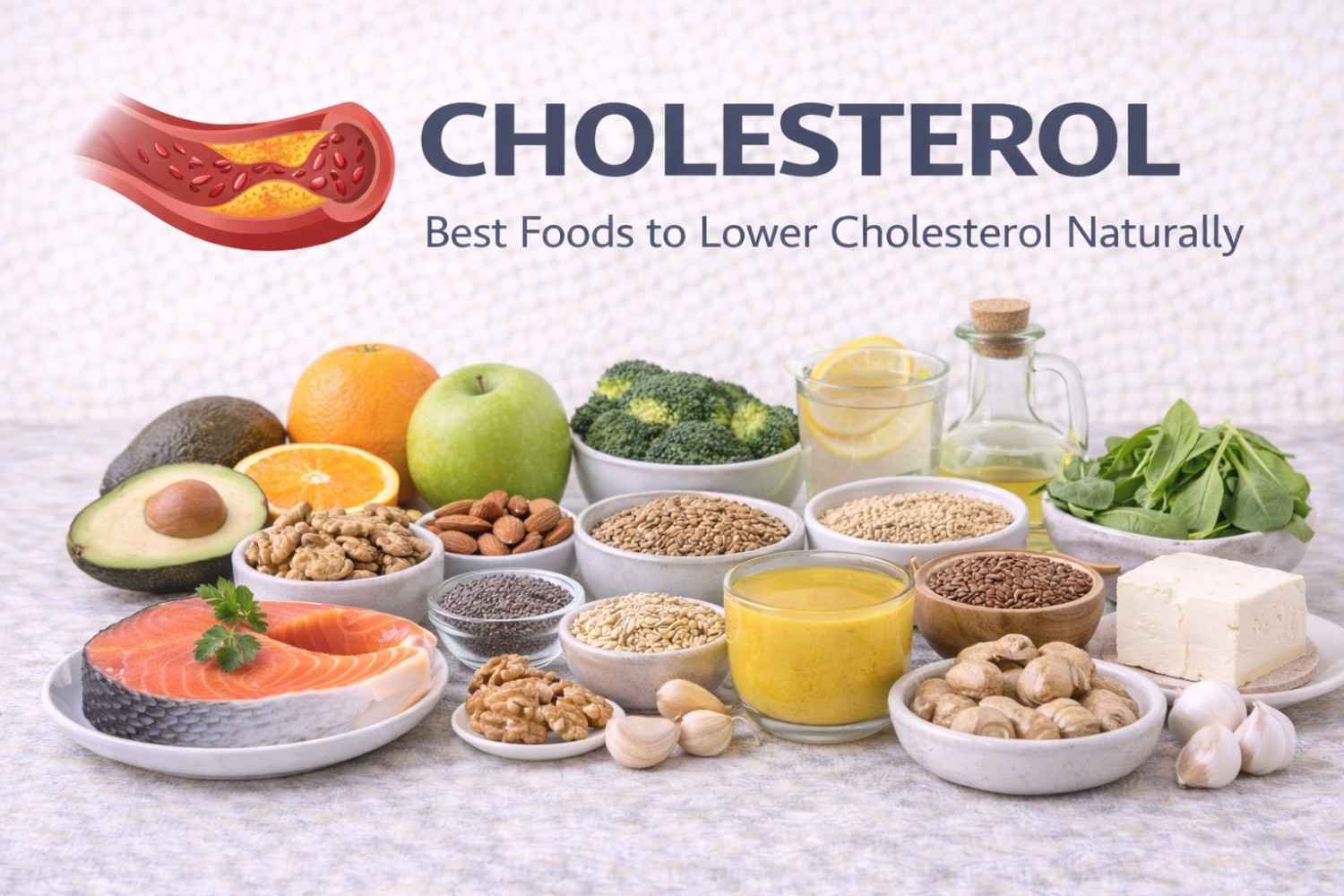
Best Foods to Reduce Cholesterol Naturally
Eating the right foods helps lower LDL, reduce triglycerides, and increase HDL.
1. Soluble Fiber Foods
Soluble fiber binds cholesterol and removes it from the body.
Best Options:
- Oats
- Barley
- Fruits (apple, pear)
✔ Reduce LDL cholesterol
✔ Improve digestion
2. Fruits & Vegetables
Rich in antioxidants and fiber.
Best Options:
- Apple
- Orange
- Spinach
- Broccoli
✔ Reduce cholesterol absorption
✔ Protect blood vessels
3. Omega-3 Rich Foods
Omega-3 fats improve heart health.
Best Options:
- Fatty fish (salmon, sardine)
- Flax seeds
- Chia seeds
✔ Reduce triglycerides
✔ Prevent artery inflammation
4. Nuts & Seeds
Provide healthy fats and plant sterols.
Best Options:
- Almonds
- Walnuts
- Sunflower seeds
✔ Improve HDL cholesterol
✔ Protect heart health
5. Healthy Fats
Replacing bad fats with healthy fats is crucial.
Best Options:
- Olive oil
- Avocado
✔ Lower bad cholesterol
✔ Support heart function
Cholesterol-Friendly Drinks
✔ Green tea
✔ Lemon water
✔ Vegetable juices
✔ Plain water
🚫 Avoid sugary drinks, packaged juices, and alcohol
Foods to Avoid in High Cholesterol
Some foods increase LDL and triglycerides.
🚫 Fried and oily foods
🚫 Excess butter and ghee
🚫 Red meat (excess)
🚫 Bakery items
🚫 Packaged and processed foods
Avoiding these foods can significantly improve cholesterol levels.
Daily Habits to Control Cholesterol Naturally
Diet alone is not enough — lifestyle matters.
- Walk or exercise 30–40 minutes daily
- Maintain a healthy body weight
- Quit smoking
- Limit alcohol consumption
- Reduce stress through yoga or meditation
- Sleep 7–8 hours daily
Consistency in these habits protects heart health long-term.
7-Day Cholesterol-Friendly Diet Plan
| Day | Breakfast | Lunch | Evening | Dinner |
|---|---|---|---|---|
| Monday | Oats + fruit | Roti + dal + sabzi | Green tea | Soup |
| Tuesday | Smoothie | Brown rice + veg | Nuts | Paneer + salad |
| Wednesday | Eggs / paneer | Roti + chole | Lemon water | Veg curry |
| Thursday | Fruit bowl | Veg pulao | Herbal tea | Soup |
| Friday | Oats + yogurt | Roti + rajma | Fruit | Paneer bhurji |
| Saturday | Idli (less oil) | Veg thali | Green tea | Salad |
| Sunday | Eggs / paneer | Veg biryani | Nuts | Light dinner |
FAQs About Cholesterol
Can cholesterol be reduced naturally?
Yes. Many people successfully control cholesterol with diet, exercise, and lifestyle changes.
Which food reduces cholesterol fastest?
Oats, nuts, flax seeds, fruits, and vegetables are very effective.
Is cholesterol medicine always required?
Not always. Mild to moderate cases can often be managed naturally, but medical advice is important.
Does walking reduce cholesterol?
Yes. Regular walking increases HDL and lowers LDL cholesterol.
Conclusion
High cholesterol is a silent risk factor for heart disease, but it is highly manageable. With the right foods, healthy fats, regular exercise, and balanced lifestyle habits, cholesterol levels can be controlled naturally and safely.
Early changes not only lower cholesterol but also protect the heart, brain, and overall health.