Dietary Fiber: Benefits, Types, Fiber-Rich Foods & Why Fiber Is Essential
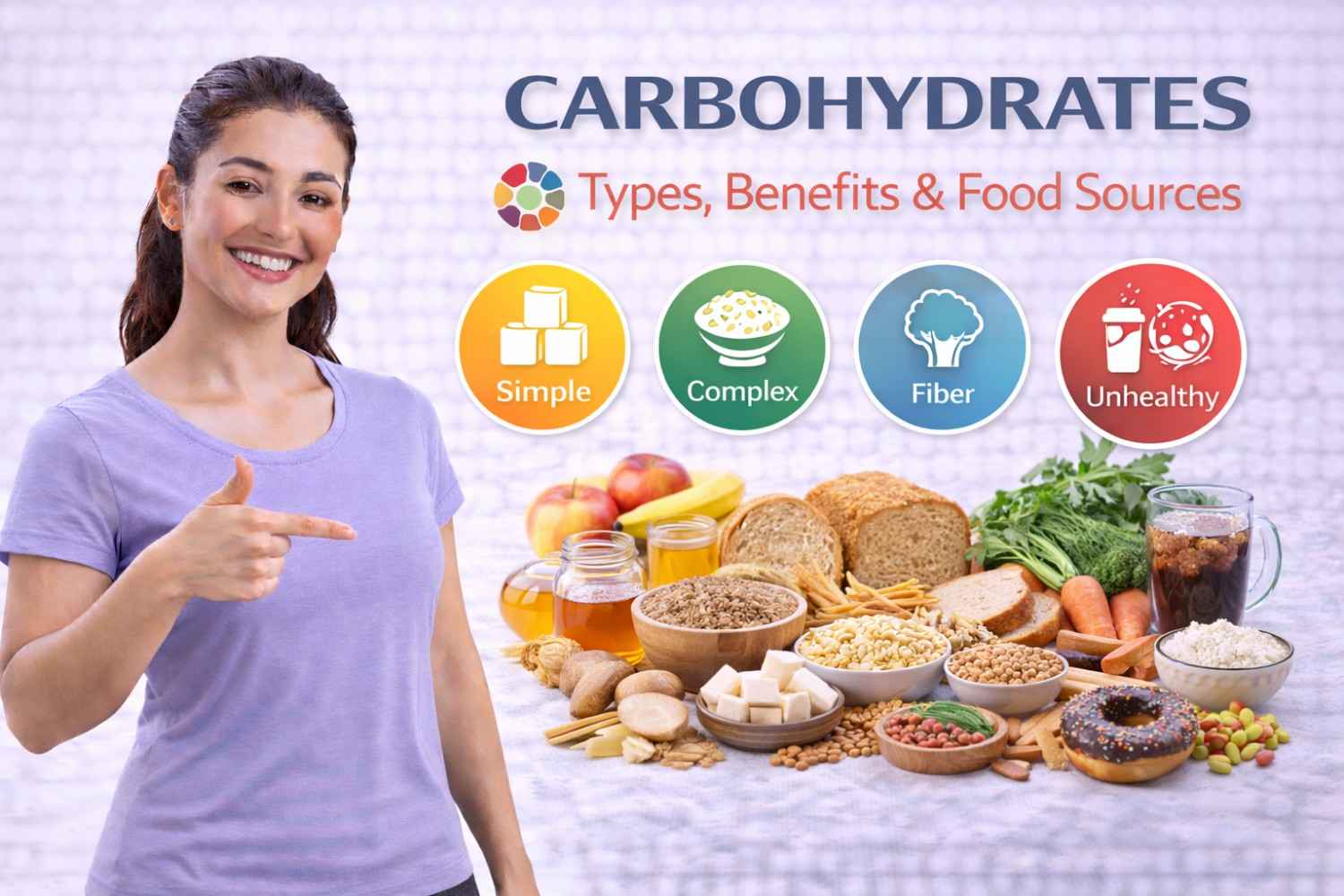
Dietary fiber is a type of carbohydrate that the body cannot digest, but it plays a crucial role in digestion, gut health, weight management, heart health, and blood sugar control.
A fiber-rich diet is one of the simplest and most natural ways to improve overall health.
This complete guide explains what fiber is, types of fiber, health benefits, best food sources, deficiency problems, daily intake, and tips to increase fiber naturally.
What Is Dietary Fiber?
Dietary fiber is the indigestible part of plant foods.
Unlike other carbs, fiber:
- Does not raise blood sugar quickly
- Improves digestion
- Feeds healthy gut bacteria
👉 Fiber moves through the digestive system almost intact but provides powerful health benefits.
Types of Dietary Fiber
1. Soluble Fiber
Soluble fiber dissolves in water and forms a gel-like substance.
Benefits:
- Lowers cholesterol
- Controls blood sugar
- Improves gut health
Food Sources:
- Oats
- Apple
- Citrus fruits
- Beans
- Psyllium husk
2. Insoluble Fiber
Insoluble fiber does not dissolve in water.
Benefits:
- Improves bowel movement
- Prevents constipation
- Supports digestive health
Food Sources:
- Whole wheat
- Brown rice
- Nuts
- Seeds
- Vegetables
Health Benefits of Dietary Fiber
- Improves digestion
- Prevents constipation
- Supports gut health
- Helps in weight loss
- Controls blood sugar
- Lowers cholesterol
- Reduces heart disease risk
Fiber for Weight Loss
Fiber:
- Keeps you full for longer
- Reduces overeating
- Slows digestion
👉 High-fiber diets naturally support healthy and sustainable weight loss.
Fiber for Blood Sugar Control
Soluble fiber:
- Slows sugar absorption
- Prevents sugar spikes
- Improves insulin sensitivity
✔ Especially beneficial for diabetics and pre-diabetics
Fiber for Heart Health
Fiber helps:
- Lower LDL (bad cholesterol)
- Improve blood circulation
- Reduce heart disease risk
Health Problems Caused by Low Fiber Intake
Fiber deficiency may lead to:
- Constipation
- Bloating
- Poor digestion
- Weight gain
- High cholesterol
- Blood sugar imbalance
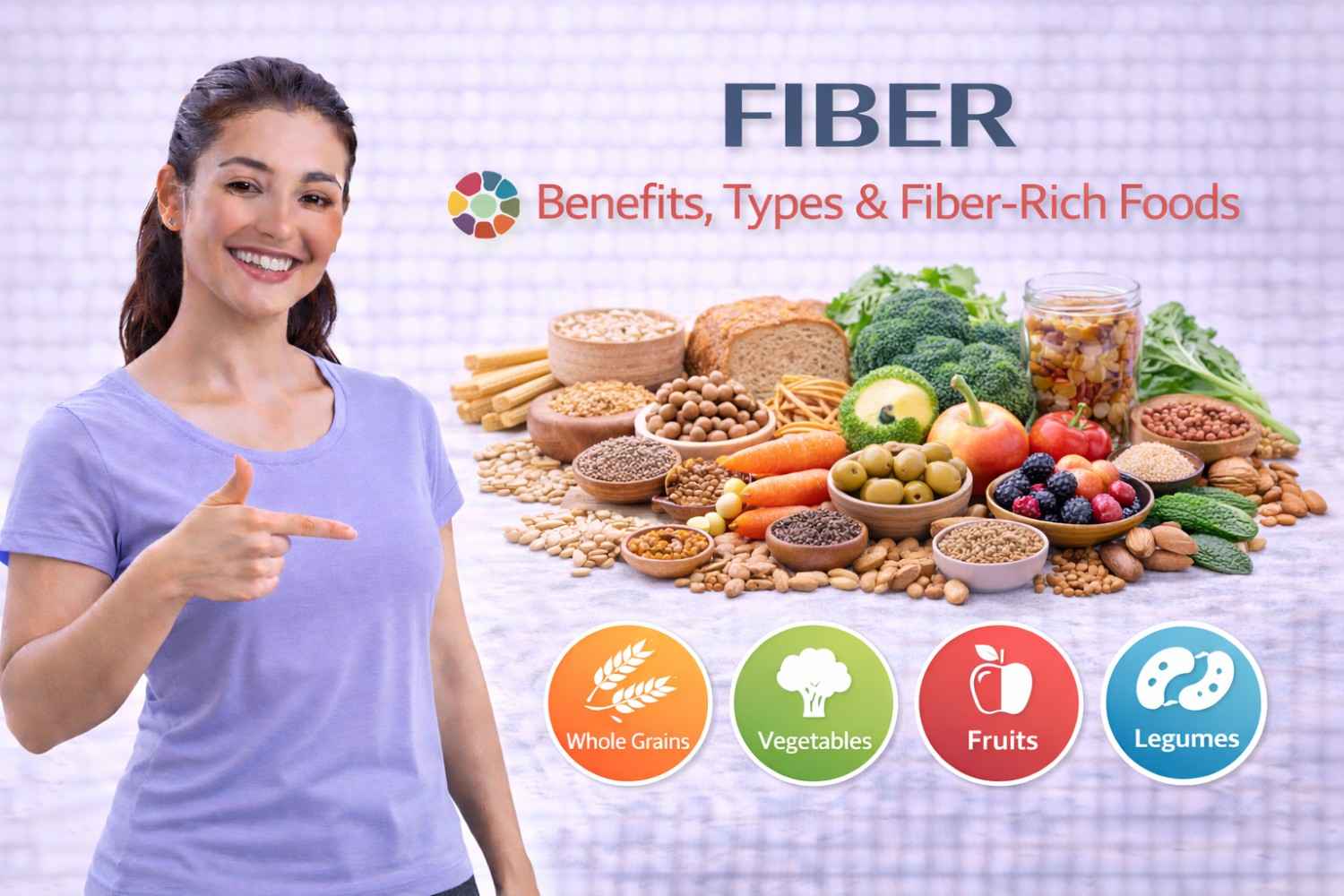
Best Fiber-Rich Foods
Whole Grains
- Oats
- Brown rice
- Whole wheat
- Millets
Vegetables
- Broccoli
- Carrot
- Spinach
- Cabbage
Fruits
- Apple
- Pear
- Guava
- Berries
Legumes
- Lentils
- Chickpeas
- Beans
Nuts & Seeds
- Chia seeds
- Flax seeds
- Almonds
How Much Fiber Do You Need Daily?
Recommended intake:
- Men: 30–38 g/day
- Women: 25–30 g/day
👉 Increase fiber gradually to avoid gas or bloating.
Fiber Supplements – Are They Necessary?
Fiber supplements may help:
- Chronic constipation
- Medical conditions
🚫 Whole food fiber is always better than supplements.
Daily Tips to Increase Fiber Intake Naturally
- Eat fruits with skin
- Choose whole grains over refined grains
- Add vegetables to every meal
- Drink plenty of water
- Increase fiber slowly
FAQs About Dietary Fiber
Is fiber a carbohydrate?
Yes, but it is a non-digestible carbohydrate.
Can too much fiber be harmful?
Excess fiber without water may cause bloating.
Is fiber good for weight loss?
Yes, fiber helps control appetite naturally.
Which food has the highest fiber?
Chia seeds, lentils, oats, and beans.
Conclusion
Dietary fiber is one of the most important nutrients for long-term health.
A diet rich in fruits, vegetables, whole grains, legumes, nuts, and seeds improves digestion, supports heart and gut health, controls blood sugar, and helps maintain a healthy weight.
Instead of focusing only on calories, focus on fiber for better health.