Papaya Benefits: Nutrition, Health Benefits, Best Time to Eat & Side Effects
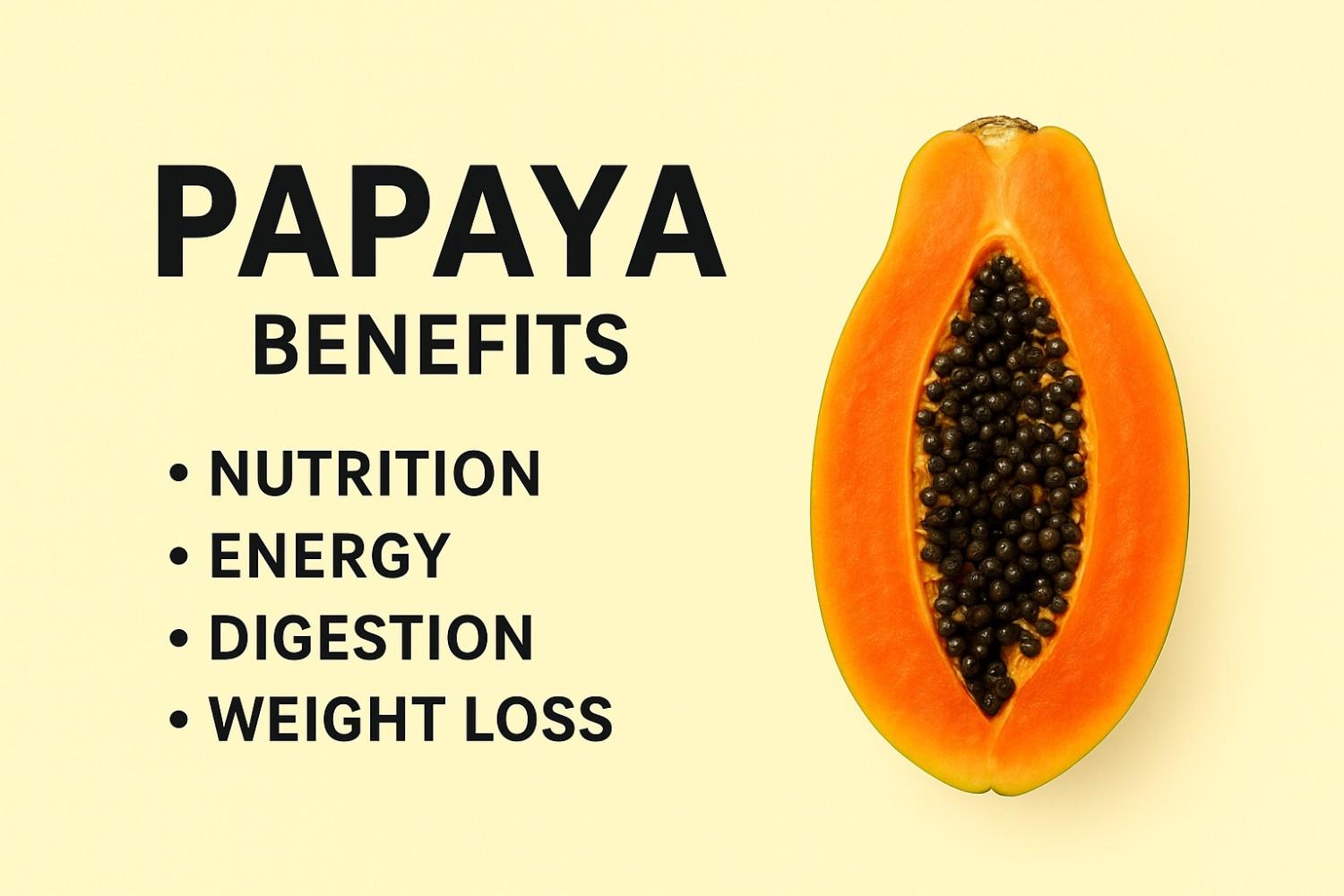
Papaya is a highly nutritious tropical fruit known for its sweet taste, soft texture, and powerful digestive properties. It is rich in vitamins, antioxidants, and a natural digestive enzyme called papain, which makes it one of the best fruits for gut health.
papaya leaf, papaya face wash, papaya leaf juice, papaya calories, papaya soap, papaya in hindi, red lady papaya, calories in papaya, papaya face pack, is papaya good for diabetes, papaya leaf juice benefits, raw papaya salad, raw papaya, papaya shake, papaya leaves, can we eat papaya during periods, papaya calories 100g
Papaya is widely grown in India, Sri Lanka, Thailand, and Brazil and is often called a healing fruit due to its immunity-boosting, skin-enhancing, and digestion-improving benefits.
Nutritional Value of Papaya (Per 100g)
| Nutrient | Amount |
|---|---|
| Calories | 43 kcal |
| Carbohydrates | 11 g |
| Fiber | 1.7 g |
| Protein | 0.5 g |
| Fat | 0.3 g |
| Natural Sugar | 8 g |
| Vitamin C | 75% DV |
| Vitamin A | 25% DV |
| Folate | 10% DV |
| Potassium | 182 mg |
| Antioxidants | High (Lycopene, Beta-carotene) |
✔ Papaya is low-calorie, nutrient-dense, and easy to digest.
Health Benefits of Papaya
1. Improves Digestion
Papain enzyme helps break down proteins, prevents indigestion, and relieves bloating and constipation.
2. Boosts Immunity
High levels of Vitamin C and Vitamin A strengthen immunity and protect against infections.
3. Supports Weight Loss
Low calories + high fiber keep you full for longer and reduce unnecessary calorie intake.
4. Enhances Skin Glow
Papaya reduces acne, scars, pigmentation, and dullness due to antioxidants and vitamin A.
5. Good for Heart Health
Fiber, potassium, and antioxidants help lower cholesterol and protect heart health.
6. Improves Eye Health
Beta-carotene and Vitamin A improve vision and reduce age-related eye problems.
7. Reduces Inflammation
Anti-inflammatory compounds help reduce joint pain and arthritis symptoms.
8. Helps Control Diabetes
Papaya has a low glycemic load and is safe for diabetics in controlled portions.
9. Prevents Constipation
Dietary fiber improves bowel movement and cleanses the digestive tract.
10. May Reduce Cancer Risk
Lycopene and antioxidants reduce oxidative stress and inflammation.
Best Time to Eat Papaya
✔ Morning: Best for digestion and gut cleansing
✔ Before Meals: Helps prevent constipation
✔ Night: Safe if eaten 2–3 hours before sleep
Who Should Eat Papaya?
- People with digestion problems
- Individuals aiming for weight loss
- Pregnant women (ripe papaya only, limited amount)
- Heart patients
- People with constipation
- Those seeking better skin & hair health
Who Should Avoid or Limit Papaya?
- Pregnant women (avoid unripe papaya)
- Individuals with latex allergy
- People with low blood sugar
- People with stomach ulcers (consume in moderation)
Papaya for Specific Health Issues
- Digestion: Papain enzyme improves digestion & reduces gas
- Weight Loss: Low-calorie, high-fiber fruit ideal for fat loss
- Skin & Hair: Reduces acne, wrinkles & improves hair strength
- Heart Health: Potassium + antioxidants support heart
- Immunity: High Vitamin C boosts immune defense
Papaya Recipes & Uses
- Papaya salad
- Papaya smoothie
- Papaya juice
- Papaya bowl with oats
- Papaya fruit chaat
- Papaya face mask (for skin glow)
How to Choose Good Papaya
✔ Yellow-orange color = perfectly ripe
✔ Soft but not mushy
✔ Natural sweet aroma
✔ Avoid green (unripe) papaya for eating
✔ Avoid overripe black-spotted papayas
How to Store Papaya
- Store unripe papaya at room temperature
- Store ripe papaya in refrigerator (2–3 days)
- Cut papaya → store in airtight container
- Do not leave cut papaya uncovered
Papaya Side Effects
- Excess intake may cause diarrhea
- Unripe papaya may cause cramps
- Allergic reactions in sensitive people
- Not ideal for people with low blood sugar
Daily Recommended Quantity
- Adults: 1 medium bowl (150–200 g)
- Kids: ½ bowl
- Weight Loss: 1 bowl on empty stomach
- Diabetics: Small bowl (≈100 g)
FAQs About Papaya
Q1. Is papaya good for weight loss?
Yes, it is low in calories and improves digestion.
Q2. Can diabetics eat papaya?
Yes, in limited and controlled quantities.
Q3. Can we eat papaya at night?
Yes, but at least 2–3 hours before sleep.
Q4. Is papaya good for skin?
Yes, it reduces acne, pigmentation, and improves skin glow.
Q5. Who should avoid papaya?
People allergic to latex and pregnant women (avoid unripe papaya).