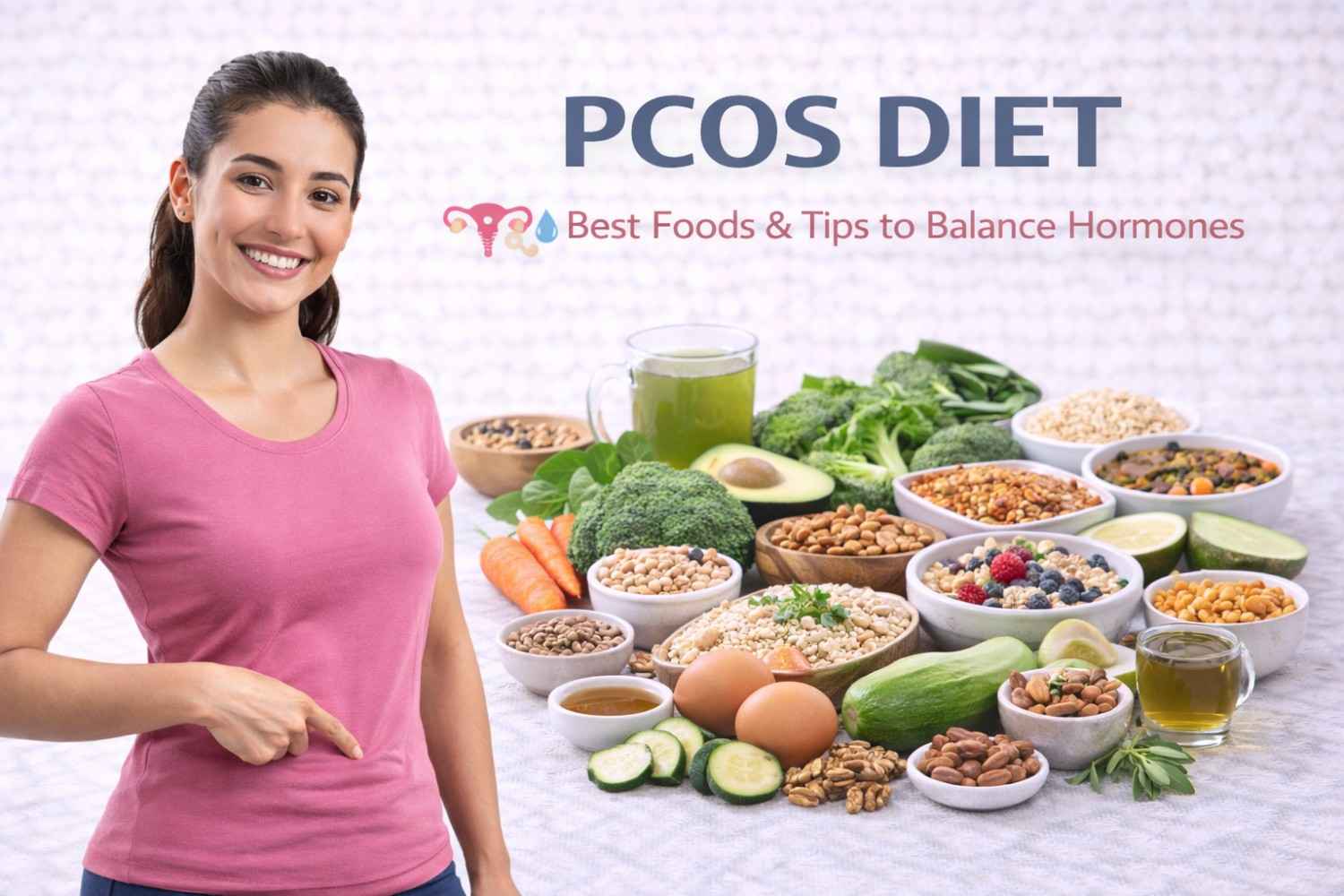
PCOS Diet: Best Foods, Meal Plan & Natural Ways to Balance Hormones
PCOS (Polycystic Ovary Syndrome) is a hormonal disorder that affects women of reproductive age. It can cause irregular periods, weight gain, acne, hair fall, excess facial hair, insulin resistance, and fertility issues.
A proper PCOS diet plays a crucial role in managing symptoms, improving hormone balance, and supporting long-term health.
This complete guide explains what a PCOS diet is, benefits, foods to eat, foods to avoid, daily habits, exercises, and a weekly PCOS diet plan.
What Is a PCOS Diet?
A PCOS diet is a balanced, hormone-friendly eating plan that focuses on:
- Reducing insulin resistance
- Controlling blood sugar
- Lowering inflammation
- Supporting healthy weight management
- Improving ovulation and menstrual regularity
Benefits of Following a PCOS Diet
- Better hormone balance
- Improved menstrual cycle
- Weight control
- Reduced acne & hair fall
- Lower risk of diabetes
- Improved fertility
Benefits of Following a PCOS Diet
- Better hormone balance
- Improved menstrual cycle
- Weight control
- Reduced acne & hair fall
- Lower risk of diabetes
- Improved fertility
Health Problems Linked to Poor PCOS Diet
If PCOS is not managed with proper diet:
- Weight gain increases
- Insulin resistance worsens
- Diabetes risk rises
- Fertility issues persist
- Acne & hair problems increase
Best Foods for a PCOS Diet
These foods help balance hormones and control insulin levels.
1. High-Fiber Vegetables
- Spinach
- Broccoli
- Bottle gourd
- Carrot
Benefits:
✔ Reduce insulin resistance
✔ Improve digestion
2. Low-Glycemic Carbohydrates
- Oats
- Brown rice (limited)
- Millets
Benefits:
✔ Prevent sugar spikes
✔ Support weight control
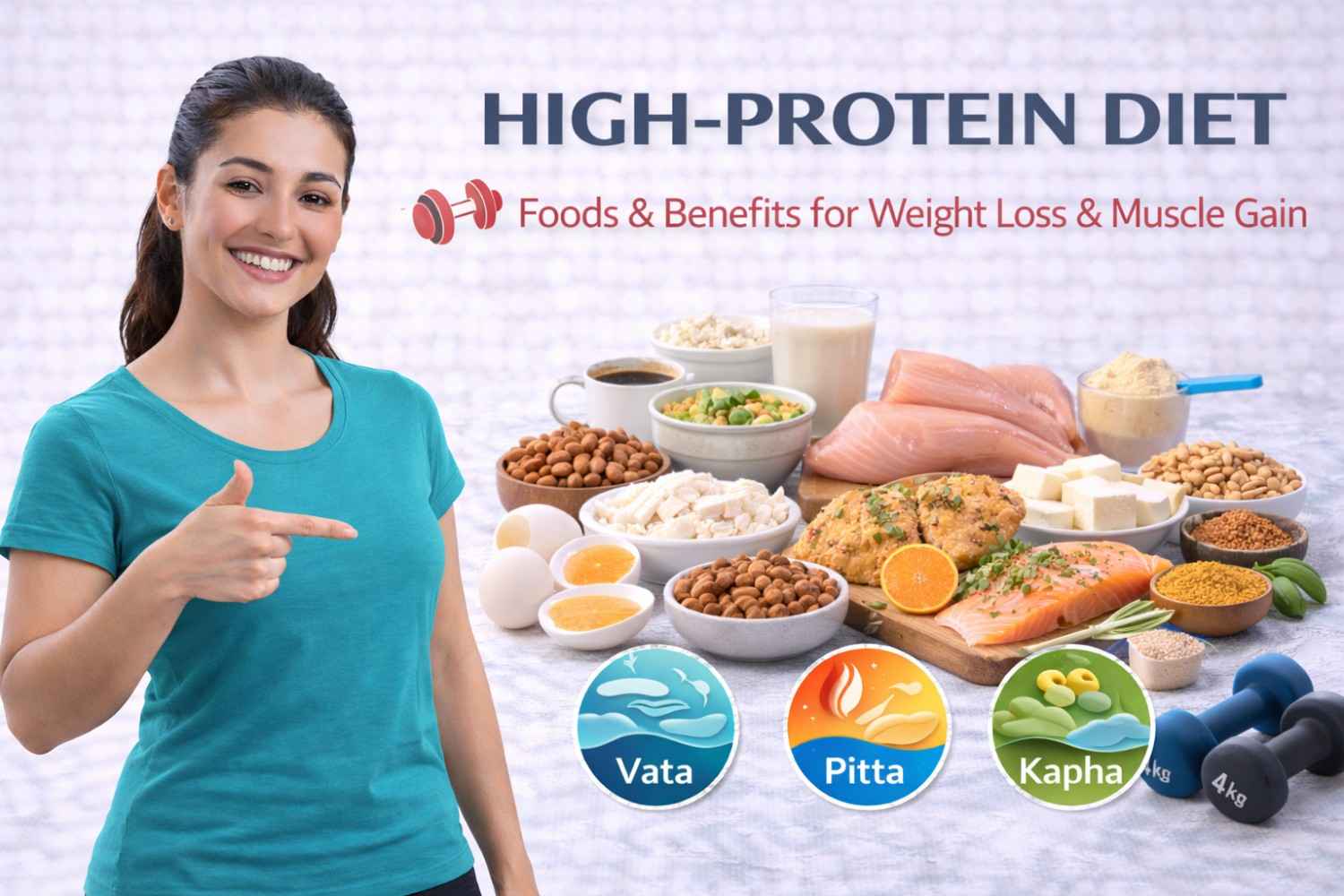
3. Protein-Rich Foods
- Eggs
- Paneer (low fat)
- Lentils
- Greek yogurt
Benefits:
✔ Improve metabolism
✔ Support hormone balance
4. Low-GI Fruits
- Apple
- Pear
- Berries
- Guava
Benefits:
✔ Control cravings
✔ Provide antioxidants
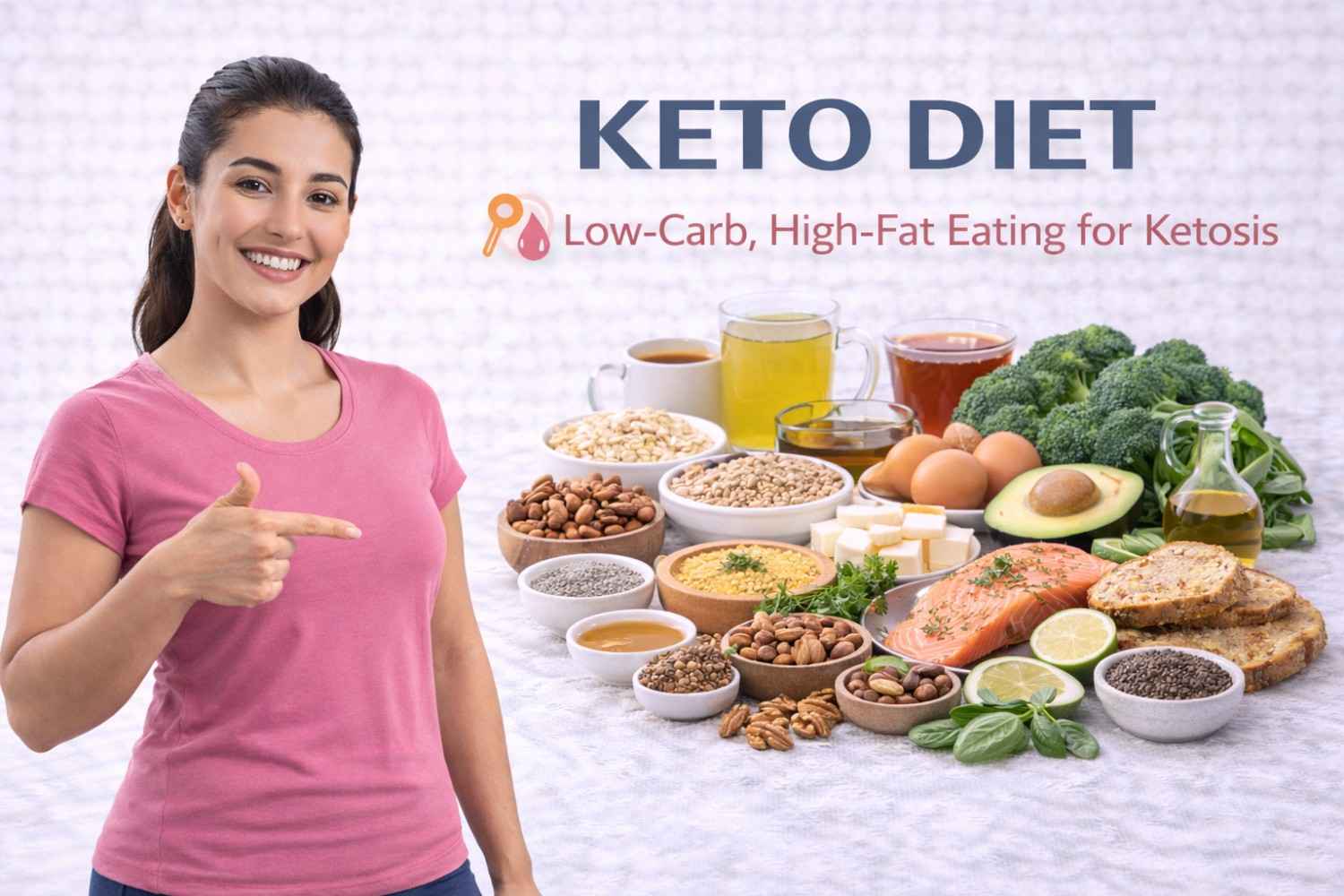
5. Healthy Fats
- Olive oil
- Nuts
- Seeds
- Avocado
Benefits:
✔ Reduce inflammation
✔ Support hormone production
Best Drinks for PCOS
- Water
- Spearmint tea
- Green tea
- Lemon water
🚫 Avoid sugary drinks & excess caffeine
Foods to Avoid in PCOS Diet
🚫 Sugar & sweets
🚫 White bread & refined flour
🚫 Fried food
🚫 Packaged snacks
🚫 Sugary beverages
Best Exercises for PCOS
Exercise improves insulin sensitivity and hormone balance.
Recommended Exercises
- Brisk walking (30–40 minutes daily)
- Yoga (Surya Namaskar, Kapalbhati)
- Strength training
- Low-impact cardio
🚫 Avoid extreme workouts that increase stress hormones
Daily Habits to Manage PCOS Naturally
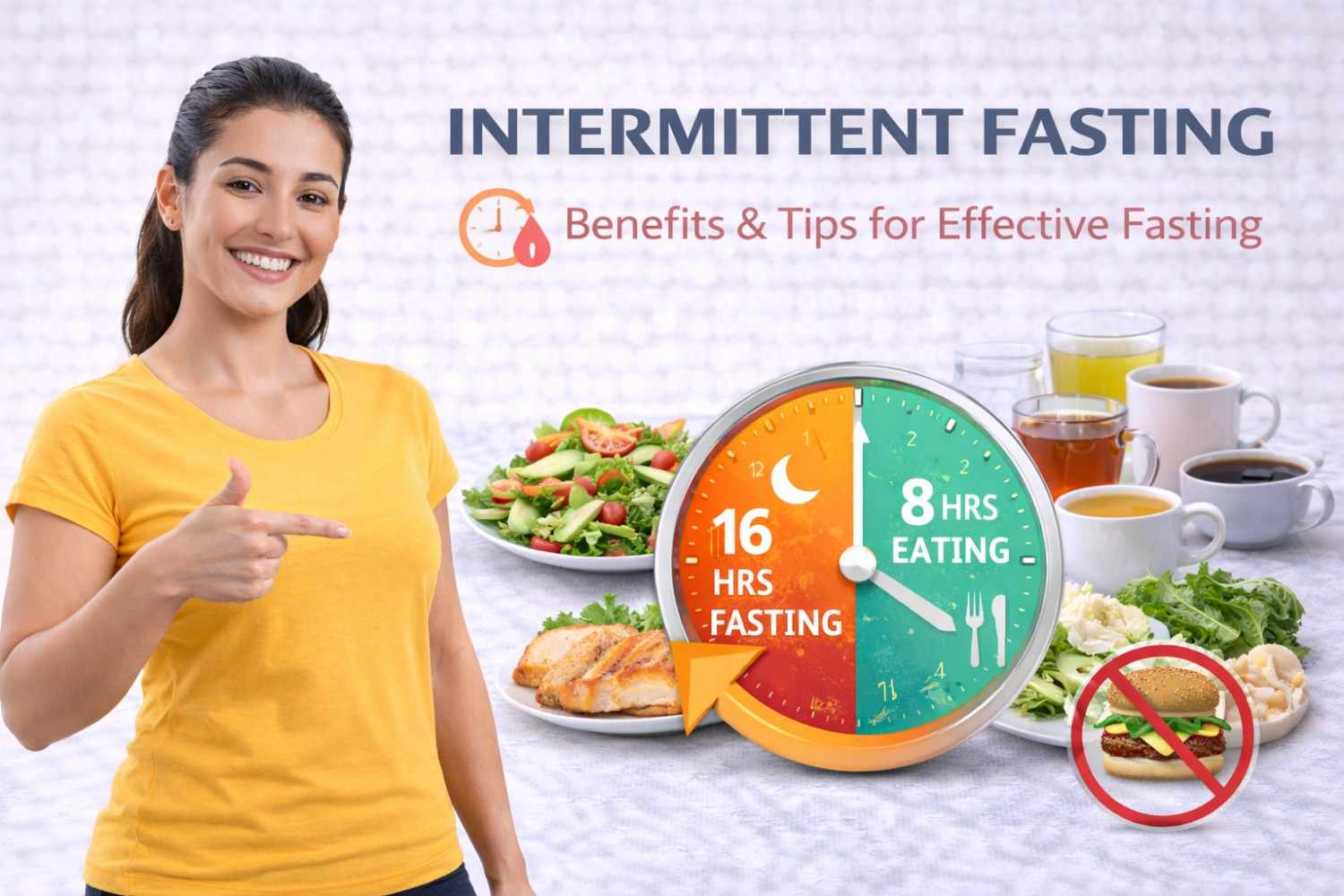
- Eat meals on time
- Avoid skipping meals
- Manage stress (yoga, meditation)
- Sleep 7–8 hours
- Maintain healthy weight
- Stay hydrated
Weekly PCOS Diet Plan
| Day | Breakfast | Lunch | Evening | Dinner |
|---|---|---|---|---|
| Monday | Oats + nuts | Roti + dal + sabzi | Green tea | Soup |
| Tuesday | Eggs / paneer | Brown rice + veg | Nuts | Salad |
| Wednesday | Smoothie (no sugar) | Roti + chole | Lemon water | Veg curry |
| Thursday | Fruit bowl | Veg pulao | Herbal tea | Soup |
| Friday | Oats + yogurt | Roti + rajma | Fruit | Paneer bhurji |
| Saturday | Idli (limited) | Veg thali | Green tea | Salad |
| Sunday | Eggs / paneer | Veg biryani | Nuts | Light dinner |
FAQs About PCOS Diet
Can PCOS be managed with diet alone?
Diet and lifestyle changes play a major role, but medical advice may also be needed.
Is weight loss necessary for PCOS?
Even 5–10% weight loss can significantly improve PCOS symptoms.
Is milk allowed in PCOS diet?
Yes, in moderation and preferably low-fat.
Does PCOS diet improve fertility?
Yes, a balanced PCOS diet improves ovulation and fertility chances.
Conclusion
A PCOS diet is a powerful tool to manage hormones, control weight, and improve overall health.
By eating low-glycemic, high-fiber, protein-rich foods, avoiding sugar and processed foods, staying active, and maintaining consistency, PCOS symptoms can be managed naturally and effectively.